
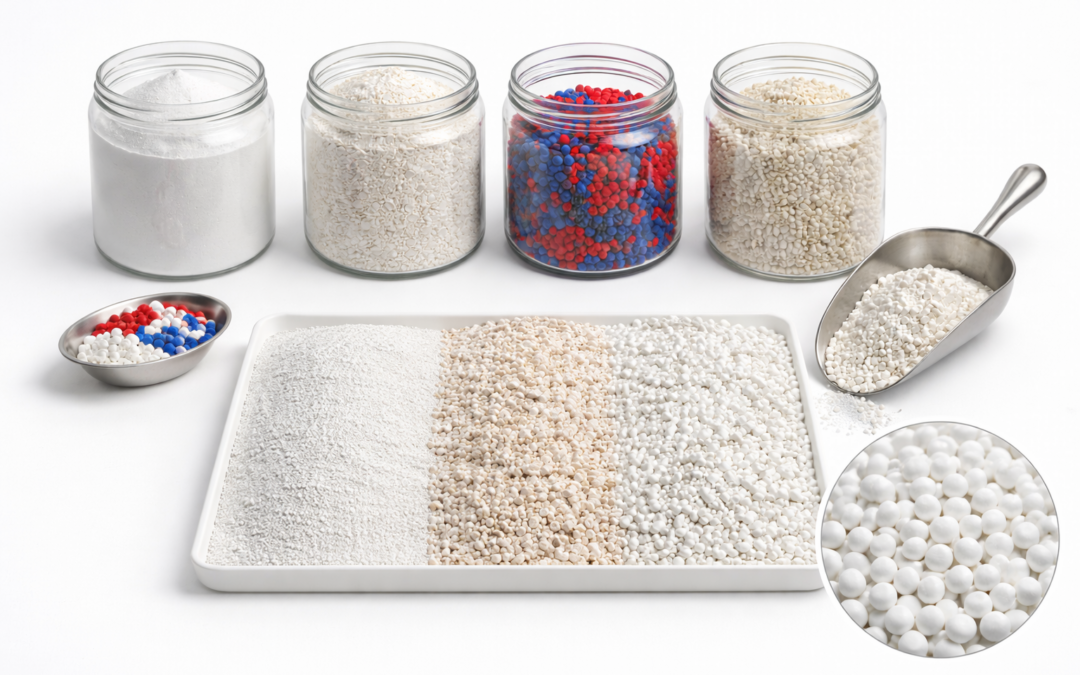
Plastic compounding is a critical process in the polymer manufacturing industry, requiring precise control over temperature, mixing consistency, and processing time. Heater–cooler mixers play a vital role in achieving these objectives by combining high-speed heating and efficient cooling within a single integrated system. These machines significantly enhance productivity, material quality, and process reliability, making them essential equipment for modern plastic compounding operations.
Understanding the Role of Heater–Cooler Mixers in Compounding
Heater–cooler mixers are designed to perform two sequential functions in plastic compounding. The heating mixer blends raw materials such as polymers, additives, pigments, and stabilizers at high speed while generating frictional heat. Once the desired temperature and homogeneity are achieved, the material is transferred to the cooling mixer, where it is rapidly cooled and stabilized.
This controlled heating and cooling cycle prevents material degradation and ensures uniform dispersion of additives. The result is a consistent compound with improved physical and mechanical properties, ready for downstream processing.
Improved Mixing Uniformity and Material Quality
Uniform mixing is essential for producing high-quality plastic compounds. Heater–cooler mixers use specially designed blades and mixing chambers to ensure thorough blending of all components. High-speed rotation creates intense shear forces that evenly distribute additives throughout the polymer matrix.
This level of uniformity reduces defects such as color variation, poor strength, and inconsistent melt behavior. Manufacturers benefit from improved product performance and reduced material wastage, contributing directly to higher production efficiency.
Precise Temperature Control
Temperature management is one of the most critical factors in plastic compounding. Overheating can cause material degradation, while insufficient heat can result in poor dispersion of additives. Heater–cooler mixers provide precise control over the heating process, allowing operators to achieve optimal processing temperatures for different materials.
The rapid cooling stage further enhances efficiency by quickly lowering material temperature and preventing agglomeration. Controlled cooling also improves material flow characteristics, making subsequent processing smoother and more reliable.
Faster Processing and Increased Throughput
By integrating heating and cooling functions into a single system, heater–cooler mixers significantly reduce overall processing time. The seamless transfer between heating and cooling stages eliminates manual handling and minimizes delays.
Faster batch cycles allow manufacturers to increase production output without compromising quality. This higher throughput supports growing demand and improves return on investment for compounding operations.
Energy Efficiency and Cost Reduction
Modern heater–cooler mixers are designed to maximize energy efficiency. Optimized motor systems, efficient blade designs, and insulated mixing chambers reduce energy loss during operation. Efficient cooling mechanisms further minimize power consumption by quickly stabilizing material temperature.
Lower energy usage leads to reduced operational costs and supports sustainable manufacturing practices. Over time, energy-efficient mixing systems contribute to long-term financial and environmental benefits.
Automation and Operational Safety
Automation enhances both efficiency and safety in plastic compounding. Advanced heater–cooler mixers are equipped with automated controls that monitor temperature, mixing speed, and cycle time. Operators can easily adjust parameters to suit different formulations, ensuring consistent results across batches.
Safety features such as overload protection, temperature sensors, and enclosed mixing chambers protect equipment and personnel. These measures reduce the risk of accidents and unplanned downtime.
Scalability and Process Flexibility
Plastic compounding requirements vary depending on product specifications and market demand. Heater–cooler mixers are available in a wide range of capacities, making them suitable for both small-scale and large-scale operations. Flexible system designs allow manufacturers to handle different materials and formulations with minimal adjustments.
This scalability ensures that businesses can expand production without major equipment changes, supporting long-term growth and adaptability.
Final Note
Heater–cooler mixers play a crucial role in improving plastic compounding efficiency by ensuring uniform mixing, precise temperature control, faster processing, and energy savings. Their ability to deliver consistent, high-quality compounds makes them indispensable in modern polymer manufacturing. Choosing reliable equipment from an experienced manufacturer like Extrutech ensures long-term performance and operational stability. With advanced heater–cooler mixer solutions from Extrutech, manufacturers can optimize compounding processes and achieve sustainable production success.